
Design-Build Flotation Systems Based on Tradition and Technology
It takes more than cutting-edge technology and aesthetic appeal to satisfy the requirements of different locations, environments and clients. It takes a company with a proven track record of engineering versatility and superior customer service.
For Today’s Marine Environments
We are the first choice among owners, contractors and engineers.
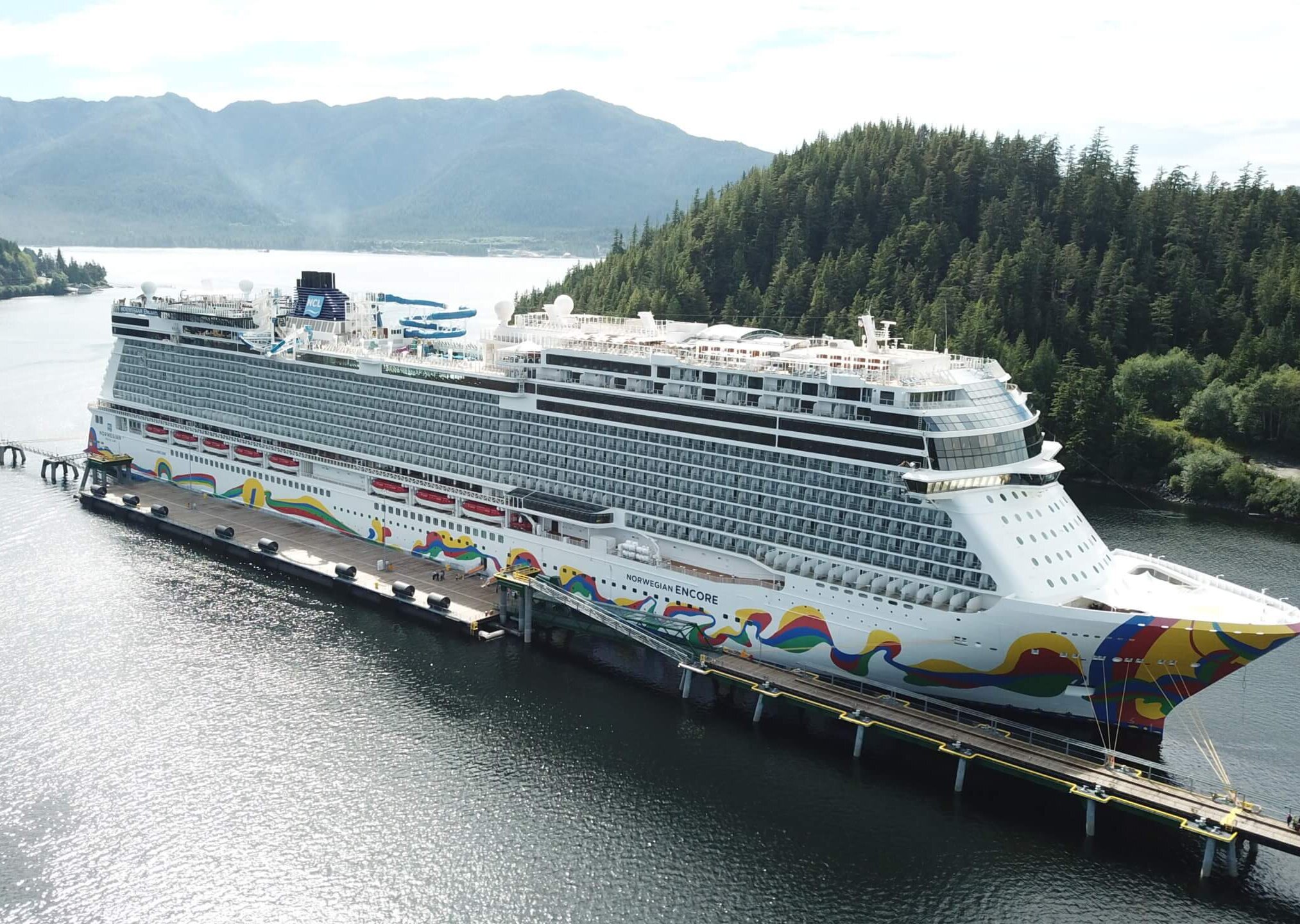
Our boarding and cargo docks contemplate safe, efficient transfer of passengers and cargo, as well as longest life possible.
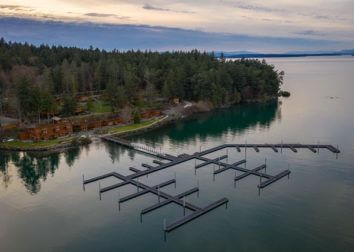
We design both commercial and recreational boat harbors for durability and longevity, user safety, and low maintenance.

Using extreme design flexibility we can address the unique challenges of each location to protect your infrastructure.

Many of our projects have utilized galvanized steel-bar decking, molded and pultruded fiberglass (FRP) decking.

Our projects are built to withstand the harshest environments, these are some examples of our systems put to the test.

Since 1984
TRANSPAC MARINAS was formed in 1984 with the specific purpose to design and manufacture high performance timber, concrete and steel float systems and wave attenuation systems. David H. Rytand founded the company with a focus to lead the industry in product quality and ethical business practices.
The development of the TRANSPAC Floating Dock System began in response to interest by the U.S. Navy for typhoon-proof flotation that could stand the test of the most difficult sea conditions.
Since then, TRANSPAC MARINAS has designed and completed projects from the South Pacific to Alaska, and has been awarded numerous U.S. Patents for its unique designs of float components. In addition, further innovations are being developed as a result of TRANSPAC’s ongoing commitment to research.
Dave was joined in the business in 1989 by Dan Jankelson (President, CEO) and in 2010 by Traci Stark (VP Finance, Marketing). The three principals share ownership of TRANSPAC.

More than 75 years of combined experience
TRANSPAC is proud of its reputation as a float designer and manufacturer who listens carefully to the needs of its customers. Most often, these needs focus on float longevity and ease of maintenance. TRANSPAC has a proven track record of engineering versatility, customer service, and is dedicated to delivering a product that exceeds clients’ expectations.
TRANSPAC MARINAS employs a staff of highly creative designers and project managers committed to producing innovative, cost-effective float system designs and completing projects, on-time and within budget. Together the owners bring more than 75 years experience in the design and manufacture of nearly three million square feet of floating docks.

At Transpac each project is truly a first...
A fresh opportunity to integrate a client’s desires and needs with those of the environment. Before we are designers and builders, we are listeners, and then communicators, allowing each step to inform the next.
Here you can see what it’s like when a Transpac project comes together.
“Without exception, I will contract with and recommend TRANSPAC MARINAS to anyone needing an exceptional contractor that is honest to a fault, focused and committed to exceptional workmanship and service.”